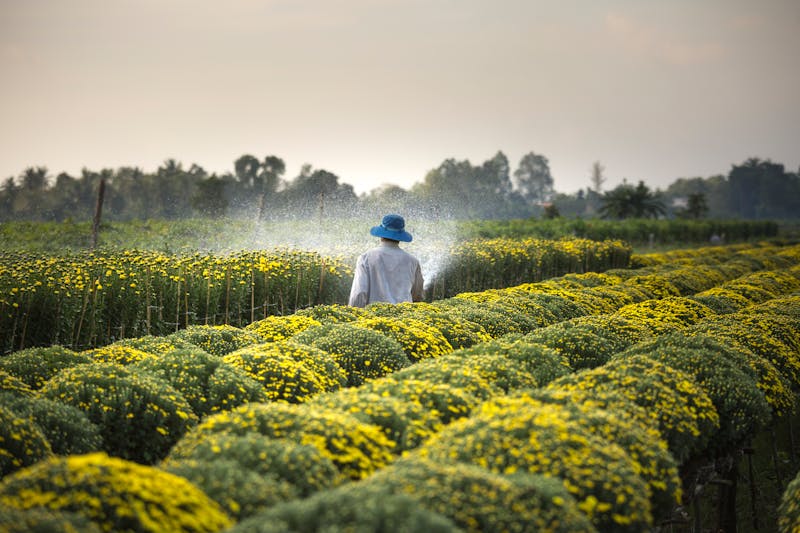
The Art of the Season: The Rhythm of the Working Months in the Countryside
An exploration of the traditional agricultural calendar, where each month of the year dictated a specific activity, shaping a lifestyle in harmony with nature.
Outside the accelerated, constant urban rhythm, life in the countryside is structured around an ancestral calendar, where time is measured not in hours, but in signs of nature and in tasks essential for survival. This art of the season represents a collective wisdom, passed down from generation to generation.
From Sowing to Harvest: The Closed Cycle
Each month has its grains of work. January, the month of planning and tools, is followed by February, when seedlings are prepared in the warm home. March brings the first awakening of the earth and the sowing of early crops.
Full spring, April and May, is a period of maximum alert – plowing, sowing corn and beans, tending the vineyard. June and July are dedicated to "chores" – mowing hay, the first picking of wild berries, watching over crops against diseases.
Autumn: The Harvest and Preparation for Rest
August and September are months of abundance and concentrated effort. You reap the wheat, pick the corn, gather the beets and grapes. Each day is a race with the sun. Then, in October and November, the earth is prepared for sleep: the fallow is plowed, the last remnants are gathered, tools are put away.
December, despite the frost, is not idleness. It is the month of indoor work and holiday preparations, but also of animal care and planning for the coming year. Nothing is left to chance; every action has a purpose in the larger cycle.
"The farmer's calendar is not written on paper, but on the earth and in the sky. You read it in the morning's humidity and in the length of the shadows."
This deep understanding of natural cycles shaped not only the landscape, but also the mentality, creating a culture of patience, anticipation, and gratitude. It is a heritage that, in the era of agricultural industrialization, risks being lost, but which remains the essence of rural identity.