The Seasonal Art of Preparing the Land for Winter
An exploration of traditional soil care practices that prepare farmland for beneficial rest.
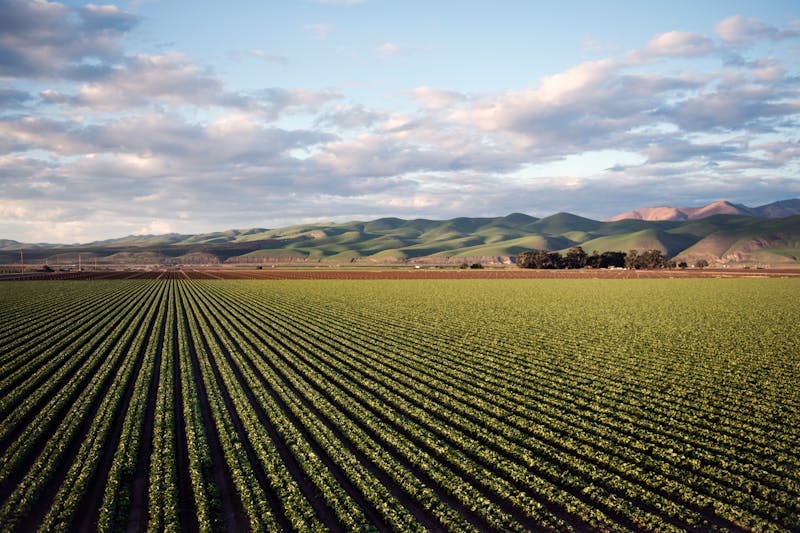
Preparing the soil for the cold season is an essential ritual.
In the eternal cycle of agriculture, autumn is not only a time of harvest but also one of deep preparation. Before the first frost seals the fields, traditional farmers engage in a subtle art: arranging the land's rest. This is not mere plowing, but an act of care, known as "autumn plowing" or "guard plowing".
The purpose of this practice is multifaceted. The deep furrows, opened before the freeze, allow winter water to infiltrate, feeding underground reserves. The cyclic freezing and thawing help naturally break up clods of earth, improving soil structure without excessive mechanical effort. At the same time, roots and plant residues left on the surface are buried, beginning a slow composting process that will store nutrients for the coming spring.
"Resting land is like a book closed over winter, keeping its story to tell it, richer, when the sun opens it again." – an old saying from the countryside
The technique varies from region to region, depending on soil type and previous crops. In sandy areas, shallower plowing is preferred to prevent erosion. On heavy, clay soils, the work is deeper to ensure drainage. A common element remains, however, respect for natural rhythms. The work is done when the soil is "at the right consistency" – neither too wet nor too dry – a knowledge passed down from generation to generation.

The tools, also resting after the season's work.
This winter preparation is, in essence, an act of faith. The farmer works land that, at that moment, gives nothing visibly back. Trust is placed in the slow and silent processes of nature, in the soil's ability to regenerate in the quiet of the cold. It is a lesson in patience and long-term planning, an integral part of the rural cultural heritage that sees the farm as a living organism, needing both periods of productivity and periods of rest.